Structural Drying Grayson GA (888) 959-1198

Structural Drying Services in Grayson, Georgia

Grayson's large subdivision homes—typically 3,000-5,000+ square feet with multiple HVAC zones, complex plumbing runs, and finished lower levels built into the Piedmont's rolling terrain—create water damage events that affect more area across more levels than smaller homes. When a second-floor condensate line fails or a supply connection breaks, water travels through floor systems and wall cavities across multiple stories. Professional structural drying scaled to eastern Gwinnett County's larger homes prevents mold colonization that begins within 24-48 hours.

Call (888) 959-1198 for Emergency Service
52" Annual Rainfall in Gwinnett County
65-70% Summer Relative Humidity
3-5 Days Typical Residential Drying Time
24/7 Emergency Response Available

What to Expect from Structural Drying in Grayson

Every Grayson drying project follows IICRC S500 standards scaled for eastern Gwinnett County's larger homes. The process accounts for multi-level water migration, multiple HVAC zones, and the complex floor plans that define this area's housing stock.

  1. Emergency Assessment and Water Classification — We identify the water source and categorize it: Category 1 (clean water from supply lines, HVAC condensate, water heaters), Category 2 (gray water from washing machines, dishwashers), or Category 3 (sewage backups). In Grayson's large homes, the assessment phase is critical because water from an upper-floor source may have traveled through floor systems and wall cavities to affect areas far from the origin point.
  2. Standing Water Extraction — Truck-mounted extractors handle bulk water on main living areas. Portable extractors reach finished basements, bonus rooms, and areas where truck lines cannot reach. For multi-level events, extraction happens simultaneously on all affected floors to prevent continued downward migration while we work.
  3. Moisture Mapping — Using pin-type meters, non-invasive capacitance meters, and thermal imaging cameras, we map every affected area including floor systems between levels, wall cavities at floor-wall junctions, and ceiling assemblies below upper-floor water sources. In Grayson's large homes, the moisture map typically includes 40-80+ measurement points across multiple levels.
  4. Equipment Placement and Climate Control — LGR dehumidifiers positioned to overcome Gwinnett County's 65-70% summer humidity. Large Grayson homes often require 3-4 dehumidifiers and 15-25 air movers—substantially more equipment than a smaller home. Equipment is distributed across all affected zones, with attention to air circulation between levels.
  5. Daily Monitoring and Adjustment — Moisture readings at all mapped points every 24 hours. Equipment repositioned as wet areas shrink. Inter-level moisture migration paths monitored to ensure wall cavities and floor systems are drying from both sides. The project is complete when all structural materials reach dry standard—verified measurements across every affected zone.
  6. Clearance Documentation — Final moisture readings, daily logs, equipment records, and photo documentation compiled for insurance claims. Multi-level events generate more extensive documentation to demonstrate that all affected areas—not just the visible ones—reached dry standard.

Structural Drying Services for Eastern Gwinnett County

Grayson's housing stock is predominantly large, newer homes built on the Piedmont's rolling terrain. Master-planned communities like Bay Creek and developments near Tribble Mill Park feature two and three-story homes with finished lower levels, multiple HVAC systems, and complex plumbing—each creating distinct water damage scenarios.
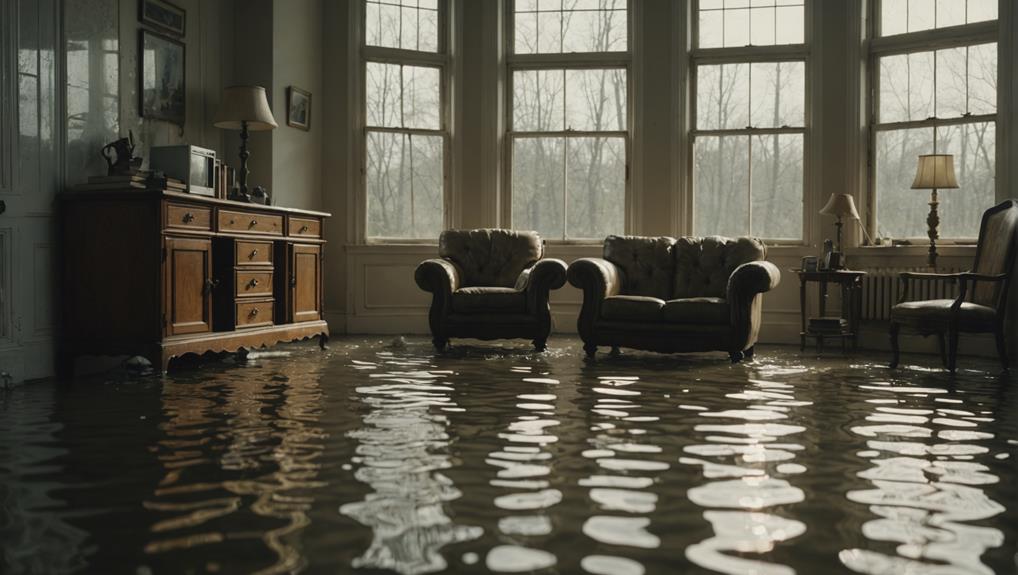
Emergency water extraction equipment deployed in a large Grayson GA subdivision home

Multi-Level Home Drying

When water originates on an upper floor—HVAC condensate overflow, bathroom supply line, upstairs laundry—it flows through floor systems and wall cavities to affect the level below. Drying requires opening the lower ceiling to expose the floor assembly, treating connected wall cavities with injectidry systems, and monitoring moisture migration paths between levels simultaneously. This is the most common large-scale event in Grayson homes.
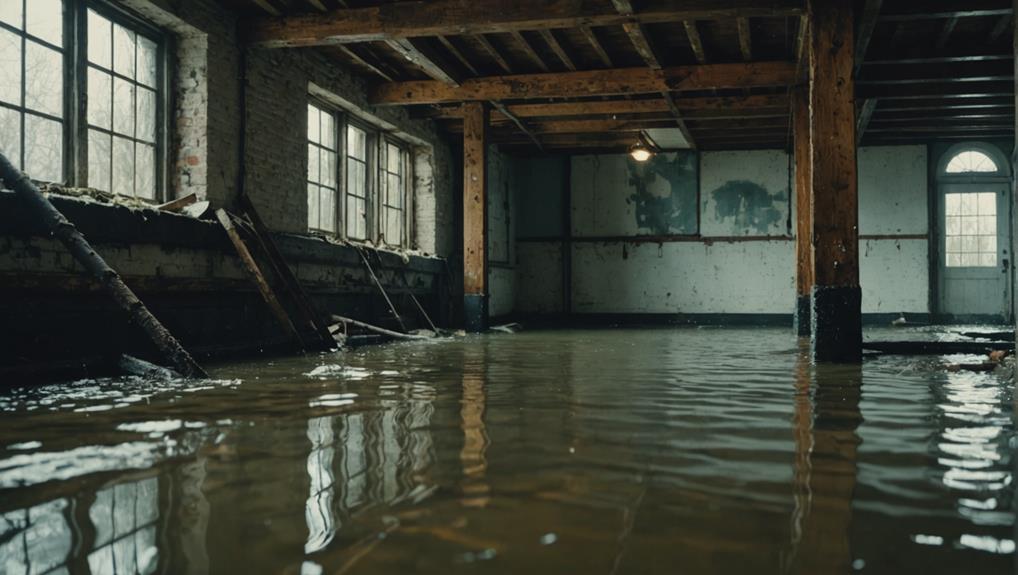
Industrial dehumidifiers and air movers for structural drying in a Grayson GA finished basement

Finished Basement and Bonus Room Drying

Grayson's Piedmont terrain means many homes have daylight or walkout basements—finished lower levels partially below grade. The below-grade walls face hydrostatic pressure from Gwinnett County's red clay during heavy rain. Water enters through foundation cracks, window wells, or slab-to-wall joints. Drying requires addressing both the immediate event and ongoing soil moisture pressure with directed heat, LGR dehumidification, and sometimes temporary exterior drainage assistance.
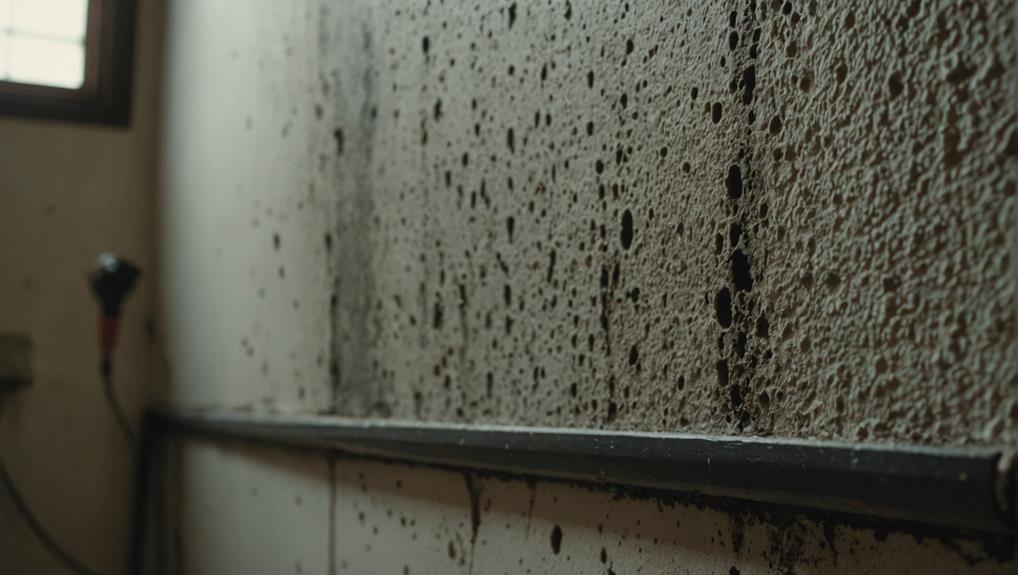
HVAC condensate water damage restoration in a Grayson GA residential property

HVAC Condensate and Supply Line Damage

Grayson homes typically have 2-3 HVAC zones with separate air handlers, often in attic spaces or mechanical closets. When a condensate drain clogs, water overflows the emergency pan (if functional) and enters the ceiling below. This can run for hours or days before detection, saturating attic insulation, ceiling drywall, and the floor below. We address the full moisture path from attic to living space, including insulation assessment and replacement when saturated.

Why Grayson Homes Face Distinct Drying Challenges

Grayson occupies eastern Gwinnett County near the Gwinnett-Walton county line, an area that transformed from rural farmland to master-planned suburban communities primarily between the mid-1990s and the 2020s. Unlike older Gwinnett communities like Norcross or Lilburn with their mix of construction eras, Grayson's housing stock is remarkably homogeneous: large, newer homes built during a single generation of construction standards.

This homogeneity creates a specific drying profile. Grayson homes are bigger than the Gwinnett County average, with most ranging from 3,000 to 5,000+ square feet. They have complex floor plans with multiple wings, bonus rooms over garages, and finished lower levels built into the rolling Piedmont terrain. They have more water sources per home—multiple HVAC zones, multiple water heaters, upstairs laundry rooms, additional bathrooms—and longer plumbing runs through more floor and wall assemblies.

The result: when water damage occurs in a Grayson home, it typically affects more square footage across more levels than the same type of failure in a smaller, simpler home. A condensate line failure in a ranch home might wet 200 square feet of ceiling. The same failure in a Grayson two-story might affect 200 square feet of attic, 200 square feet of ceiling, 200 square feet of the room below, and 200 square feet of wall cavity between levels—800 square feet total from the same size leak.

Mid-1990s to Early 2000s Construction
The earliest Grayson subdivisions, including portions of Bay Creek and surrounding developments. Typically 2,500-3,500 square feet, two stories with crawl space or slab foundations. HVAC systems of this era are now 20-25+ years old—at the end of their service life, with condensate lines, drain pans, and connections increasingly prone to failure. These homes represent the highest risk for HVAC-related water damage in the Grayson market.
Mid-2000s to 2010s Construction
The peak building period in eastern Gwinnett. Homes typically 3,500-5,000 square feet with finished basements or daylight lower levels on sloped lots. Multiple HVAC zones became standard. PEX plumbing replaced copper in many homes, changing the failure modes from pinhole corrosion to connection failures at fittings. These homes are now 10-20 years old—old enough for the first generation of appliance and fixture replacements.
2015-Present Construction
Newer construction with current building codes, including improved condensate drain pan requirements and PEX plumbing throughout. These homes have the lowest incidence of plumbing-related water damage but remain vulnerable to construction defects, improper HVAC installation, and storm-related water intrusion on the large roof systems common in Grayson's larger homes.

Gwinnett County's soil adds to the challenge. Cecil and Pacolet series red clay soils drain at 0.2-0.6 inches per hour. On graded subdivision lots, infiltration can be even slower. With 52 inches of annual rainfall, water pressure against below-grade walls and foundation systems is a year-round concern—not just during storm events. Properties near Tribble Mill Park and the tributaries feeding the Alcovy River system face additional surface water exposure during heavy rain events.

Structural Drying Specifications for Grayson Properties

Equipment Scale for Large Homes
Grayson's larger homes require proportionally more equipment than typical residential projects. A significant event in a 4,000+ square foot home commonly requires 3-4 LGR dehumidifiers and 15-25 air movers distributed across multiple levels and zones. Equipment is staged to maintain consistent airflow and humidity control across the entire affected area, including between-level spaces that are often forgotten in smaller-scale operations.
Multi-Level Drying Protocol
For events where water has traveled between floors: open ceiling below the water source to expose floor assembly (subfloor, joists, bridging). Install injectidry panels in wall cavities at floor-wall junctions where water entered the cavity system. Position air movers to create cross-ventilation through the open floor assembly from both sides. Monitor moisture migration paths daily—water in wall cavities can continue moving downward for 24-48 hours after the source is stopped.
HVAC Condensate Damage Protocol
Assess attic insulation above the affected ceiling—saturated fiberglass insulation loses R-value and typically requires replacement. Remove affected ceiling drywall to expose the full moisture path from attic to living space. Inspect and clear condensate drain lines, verify emergency drain pan function, and assess air handler cabinet for corrosion or mold. Dry the ceiling assembly from above and below simultaneously.
Finished Basement Protocol
For daylight/walkout basements on sloped lots: distinguish between storm water intrusion (enters through above-grade openings) and hydrostatic pressure (enters through below-grade walls and slab joints). Storm intrusion dries faster because the source stops when rain ends. Hydrostatic intrusion may require ongoing management during the drying process if rain continues. Direct heat on below-grade walls accelerates drying from the interior while soil moisture continues pressing from the exterior.
Hardwood and Engineered Floor Salvage
Mat drying systems for hardwood and engineered hardwood over slab or plywood subfloor. Engineered hardwood—common in Grayson's newer homes—is more moisture-sensitive than solid hardwood due to its layered construction. Delamination can begin within 48 hours if not addressed. Solid hardwood cupping is usually reversible; engineered hardwood delamination typically requires replacement of affected sections.
Commercial Drying
Commercial properties along GA-124, Grayson Parkway, and in eastern Gwinnett's retail and office corridors. Commercial projects scale equipment proportionally—large retail or office spaces may require 4-6 LGR dehumidifiers and 20+ air movers. After-hours scheduling available for businesses that need to maintain operations during drying.

Structural Drying Costs in Eastern Gwinnett County

Structural drying costs in Grayson reflect both Gwinnett County's suburban metro market rates and the larger-than-average home sizes that require more equipment, more monitoring points, and often longer drying timelines than smaller residential properties.

Emergency Water Extraction
$800-$2,500 depending on water volume and number of affected levels. Multi-level extraction in large homes costs more than single-level events due to simultaneous operation on multiple floors.
Single-Level Residential Drying (Category 1)
$4,000-$6,500 for a typical 1,000-1,500 square foot affected area on one level. Includes equipment, daily monitoring, antimicrobial treatment, and clearance documentation.
Multi-Level Residential Drying (Category 1)
$6,500-$9,500 for events where water has migrated between floors. Higher cost reflects ceiling demolition, wall cavity injection systems, additional equipment for multi-zone operation, and extended monitoring of moisture migration paths between levels.
HVAC Condensate Damage Restoration
$4,500-$7,500 depending on whether insulation replacement is needed and how far water traveled from the attic through the ceiling assembly. Attic insulation replacement adds $1,500-$3,000 if saturated fiberglass must be removed and replaced.
Finished Basement Drying
$3,500-$7,000 depending on water source (storm intrusion vs hydrostatic) and affected area. Hydrostatic events that require directed heat on below-grade walls and ongoing moisture management during drying cost more than storm intrusion events where the source stops with the rain.
Commercial Drying
$5,000-$15,000+ based on square footage and business continuity requirements. After-hours scheduling may carry a premium but reduces lost revenue from closure.

Recent Grayson Drying Project

This composite example illustrates a common structural drying scenario in eastern Gwinnett County and represents the type of work, timeline, and pricing typical for Grayson's large subdivision homes.

Property
2004-built two-story home in a subdivision near Bay Creek, approximately 4,200 square feet with a finished daylight basement. Three HVAC zones with air handlers in the attic and a mechanical closet. Hardwood flooring on the main level, carpet in the basement.
Problem
The primary condensate drain line from the attic air handler clogged with algae and sediment. The emergency drain pan's secondary line, also in the attic, had disconnected from its fitting during a previous HVAC service call. Water overflowed the drain pan and entered the ceiling assembly below. The homeowner noticed a water stain on the main-level ceiling approximately 18 hours after the system began producing condensate at summer rates. By that time, water had saturated attic insulation over approximately 150 square feet, soaked through the ceiling drywall, and pooled on the hardwood floor below—where it penetrated between boards and began wetting the subfloor above the finished basement.
Affected Area
150 square feet of attic insulation (saturated, requiring replacement). 200 square feet of main-level ceiling drywall (water-stained and soft). 350 square feet of hardwood flooring showing cupping. 250 square feet of basement ceiling drywall (moisture detected by thermal imaging, no visible staining yet). Total affected area across three levels: approximately 950 square feet.
Drying Approach
Removed saturated attic fiberglass insulation over the affected area. Removed damaged main-level ceiling drywall to expose the floor assembly above the basement. Deployed floor mat drying system on the main-level hardwood to pull moisture through the floor surface. Set up injectidry panels in the wall cavities at the main-to-basement floor junction. Deployed 3 LGR dehumidifiers (one per affected level) and 18 air movers distributed across attic, main level, and basement. Applied antimicrobial treatment to all exposed surfaces.
Timeline
5 days to reach dry standard on all materials. Day 1: extraction, demolition, insulation removal, initial equipment. Day 2: hardwood cupping stabilizing, attic framing drying well, basement ceiling still elevated. Day 3: attic at dry standard, main-level floor assembly at 70% of target, basement ceiling improving. Day 4: hardwood cupping beginning to relax, floor assembly at 90%, basement ceiling at dry standard. Day 5: all materials at or below dry standard. Equipment removal, clearance documentation.
Cost Range
$7,200-$9,000 for extraction, multi-level drying, mat floor system, wall cavity injection, antimicrobial treatment, and documentation. Attic insulation replacement: $2,200-$2,800. Ceiling drywall repair: $1,800-$2,500. Insurance covered the full drying and insulation replacement as sudden/accidental damage. HVAC condensate line repair and emergency drain pan reconnection quoted separately at $350-$600.

Water Damage in Your Grayson Property?

Every hour of standing water expands the damage scope—and in Grayson's large, multi-level homes, water travels further and affects more area than in smaller properties. Mold colonization begins within 24-48 hours in Gwinnett County's humid climate. Whether you're dealing with an HVAC condensate failure, a multi-level plumbing event, basement water intrusion on a sloped lot, or storm damage across a large roof system, professional structural drying scaled to your home's size protects your investment.

Call (888) 959-1198 Now

Frequently Asked Questions

Why are large Grayson homes particularly vulnerable to water damage?

Grayson homes are typically 3,000-5,000+ square feet with multiple HVAC zones, multiple water heaters, upstairs laundry, and extensive plumbing runs through two or three stories. More water sources, longer pipe runs, and multi-level construction mean water damage events affect more area and travel further before discovery.

How long does structural drying take in a typical Grayson home?

Most projects require 3-5 days, trending toward the longer end due to larger affected areas. Multi-level events with water migrating between floors often need 4-5 days minimum. Gwinnett County's 65-70% summer humidity requires LGR dehumidifiers to achieve dry standard.

What does structural drying cost in eastern Gwinnett County?

Single-level events: $4,000-$6,500. Multi-level events: $6,500-$9,500. HVAC condensate damage: $4,500-$7,500. Costs reflect larger home sizes requiring more equipment and monitoring points than typical residential projects.

What are the most common causes of water damage in Grayson?

HVAC condensate line failures lead, especially in homes with 20+ year old systems. Second-floor supply line failures (washing machines, ice makers, bathrooms) are second, followed by water heater failures. Multi-zone HVAC systems mean multiple potential failure points per home.

Is structural drying covered by homeowners insurance?

Most Georgia policies cover sudden and accidental damage. Gradual condensate leaks that go unnoticed for weeks may be denied as maintenance issues. Georgia insurers increasingly require IICRC certification. We provide complete carrier-formatted documentation for all events.

How do finished basements on sloped lots affect drying?

Daylight basements face both storm intrusion through above-grade openings and hydrostatic pressure from clay soil against below-grade walls. Drying must address both the immediate event and ongoing soil moisture. Directed heat on below-grade walls and full-volume dehumidification are standard protocol.

What happens when water damage affects multiple floors?

Water from upper floors travels through floor systems and wall cavities to levels below, often doubling the affected area. Drying requires opening the ceiling below, treating wall cavities with injectidry systems, and monitoring moisture migration paths between levels simultaneously.

What equipment is used for structural drying in Grayson?

LGR dehumidifiers, centrifugal air movers (3,000+ CFM), truck-mounted extractors, floor mat systems, injectidry for wall cavities, and thermal imaging. Large Grayson homes often need 3-4 dehumidifiers and 15-25 air movers—substantially more than smaller homes.

Can hardwood and engineered floors be saved after water damage?

Often yes within 48-72 hours. Engineered hardwood is more moisture-sensitive than solid—delamination can begin within 48 hours. Solid hardwood cupping is usually reversible. Mat drying systems work on both types. Salvage is far cheaper than replacement at $8-$15 per square foot.

What should I do while waiting for structural drying services?

Turn off the water source or HVAC system causing the issue. Move furniture off wet areas. Place containers under ceiling drips. Do not use household fans or open windows in summer—Gwinnett County humidity accelerates mold. Do not cut into water-stained ceilings yourself. Take photos for insurance.